One thing I’ve learned after 40 years as a personal trainer is that fitness myths affect everyone! Not just beginners. Many of my clients are highly educated, successful professionals who are intelligent in every aspect of their lives, yet they still fall prey to some of the most persistent fitness misconceptions.
The myth I hear most often is, “What exercises can I do to get rid of my belly fat?” Despite decades of research proving that spot reduction doesn’t work, people still believe that endless crunches and abdominal exercises will melt fat from their midsection.
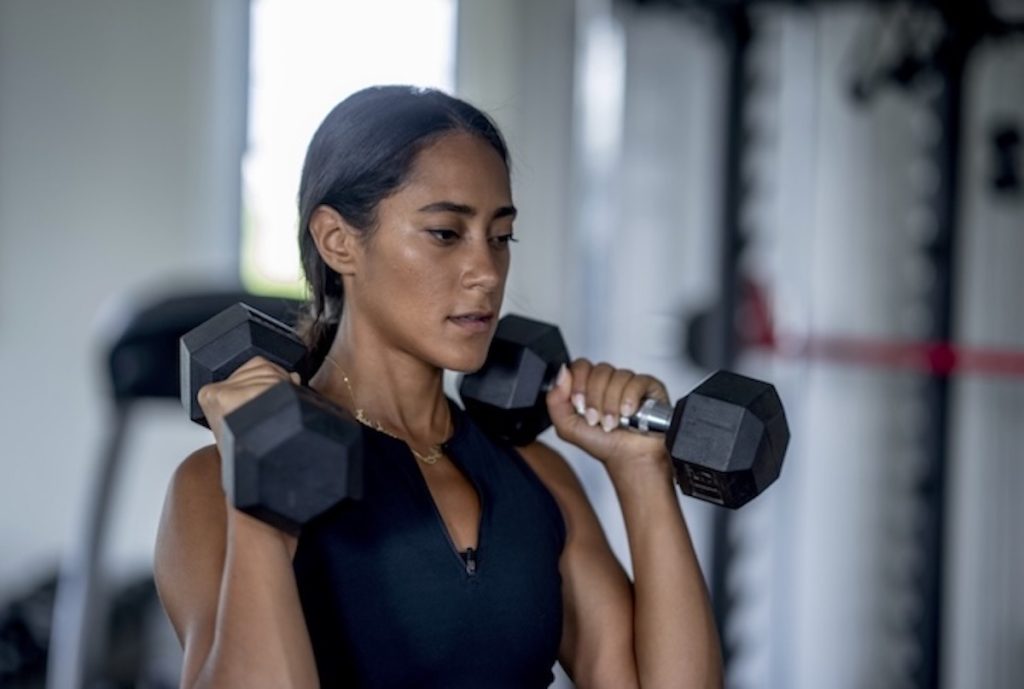
The second most common myth I hear from women is, “I don’t want to lift heavy weights because I don’t want to get bulky.” After four decades in this industry, these myths simply refuse to die. The reality is that abdominal exercises strengthen your core but don’t specifically burn belly fat, and lifting challenging weights helps women build strength, maintain bone density, improve metabolism, and create a leaner, healthier physique, not a bulky one.
If you’ve spent any time scrolling social media, reading fitness magazines, or listening to well-meaning friends, you’ve probably heard plenty of fitness advice that sounds convincing, but isn’t actually true. Unfortunately, many fitness myths continue to circulate, leaving people frustrated when they don’t get the results they expect. As a personal trainer, exercise physiologist, and nutritionist with over 40 years of experience, I’ve seen these myths come and go. While fitness trends change, science remains remarkably consistent. Let’s separate fact from fiction and uncover what really works when it comes to building strength, improving health, and managing weight. Let’s take a look at the few myths I hear the most in my business.
Myth #1: You can spot reduce fat.
One of the most common fitness myths is the belief that you can target fat loss in a specific area of your body. Want a flatter stomach? Do hundreds of crunches.Want slimmer thighs? Do endless leg lifts. Want to get rid of the fat on the back of your arms? Perform countless tricep exercises. Unfortunately, that’s not how the body works.
The Truth: You cannot choose where your body loses fat.
Fat loss occurs throughout the body based on genetics, hormones, age, and overall energy balance. While exercises like crunches can strengthen your abdominal muscles, they won’t specifically burn belly fat. Likewise, tricep exercises can strengthen and shape the muscles in the back of your arms, but they won’t selectively remove fat from that area. The most effective approach is a combination of: Strength training, Cardiovascular exercise, Healthy nutrition, Adequate sleep and Consistency.
As your overall body fat decreases, you will eventually lose fat from the areas that concern you most. It is then that you will see “muscle tone”, which is just the muscle that was under that layer of fat! Training with weights will get you there! Remember there is no magic exercise that melts fat from one specific body part. Instagram and other social media platforms are riddled with deceptions on this one, It is horrible! I spend much of my time explaining this to clients.
Myth #2: Certain types of exercise (pilates) can create “Long, Lean Muscles”.
You’ve probably heard phrases like:
“Lengthen your muscles.”
“Create long, lean muscles.”
“Tone and elongate your body.”
These marketing phrases sound appealing, but they’re not scientifically accurate.
The Truth: You cannot make a muscle longer through exercise. Muscle is already lean so long lean, muscles is inaccurate.
The length of your muscles is largely determined by your bone structure, genetics, and where the muscle attaches to the bone.
A bicep is a bicep. A squat, Pilates class, yoga session, TRX workout, or weight training program cannot physically change the length of that muscle.
What people often describe as “long, lean muscles” is actually a combination of: Building muscle, Reducing body fat, and Improving posture.
When body fat decreases, muscle becomes more visible. This creates the appearance of a leaner physique, but the muscles themselves have not become longer. Stretching is excellent for flexibility and mobility, but it does not permanently lengthen muscles. After my clients train with weights I always have them stretch, they get more flexible as they get stronger. Read more here: More on the Long Lean Muscle Myth.
Myth #3: Weight training makes women bulky.
This myth has kept countless women away from the most beneficial forms of exercise, especially as they age. I find this a shame! Women need muscle and weight training is the best way to get it and keep it. For years, women were told to stick with light weights and high repetitions because lifting heavier weights would make them look like bodybuilders.
The Truth: Weight training does not make women bulky.
In fact, most women do not possess the hormonal profile necessary to build large amounts of muscle mass naturally.
Women produce significantly less testosterone than men, making it much harder to develop the size associated with competitive bodybuilding
What strength training actually does is:
- Increases muscle and strength
- Improve body composition
- Strengthen bones
- Improve posture
- Increases metabolism (more muscle, higher metabolism)
- Improve functional fitness
- Improves balance
The “toned” look many women desire comes from having adequate muscle combined with lower levels of body fat. Ironically, avoiding weights makes it harder to achieve the lean, defined appearance many women want. As someone who has worked with women for decades, I’ve consistently seen clients become stronger, more confident, and leaner through progressive strength training, not bulky. Read more on women, weights and the bulky myth here: Women Need Weight Training.
Myth #4: Light weights are better for toning.
This myth is closely related to the bulky-muscle misconception. Many people believe that light weights create “tone” while heavier weights create bulk.
The Truth: Muscles can only do a few things.
Get stronger, Get larger, Maintain their current size, Become smaller from inactivity. There is no separate physiological process called “toning.”
What most people call toning is simply building muscle while reducing body fat.
Research consistently shows that appropriately challenging resistance training stimulates muscle growth and strength improvements far more effectively than endlessly lifting tiny weights that provide little resistance. This doesn’t mean everyone should lift really heavy weight. It means you should use enough resistance to challenge your muscles and continue progressing over time. Everyone is different! My 102 year old client will not be lifting as much, obviously. But, my fit 80 year old ladies, yes they lift, and many would consider the weight they use heavy! Farmers walks with 25-30lb dumbbells in each hand is pretty good I’d say!
Myth #5: Cardio is the best way to lose weight.
Many people still believe that hours of walking, jogging, cycling, or using cardio machines are the fastest path to weight loss. Cardio certainly has health benefits, but relying on cardio alone is not the most effective strategy. In fact it’s not cardio that helps build muscle mass, it’s strength training. Did you know muscle mass is one of the most important predictors of life span? You won’t get this from Cardio alone. Check out this article on this topic here Longevity study.
The Truth: Strength training plays a major role in weight management. I’d say THE most important.
Diet and muscle are the key to losing fat and keeping the body lean and strong. When you build lean muscle mass, your body burns more calories at rest. This is known as your resting metabolic rate. Muscle tissue is metabolically active, meaning it requires energy even when you’re not exercising. More calories burned, even when you sleep!
Benefits of strength training for weight management include:
- Increased resting metabolism
- Preservation of muscle during weight loss
- Improved insulin sensitivity
- Better body composition
- Long-term weight maintenance
Many people lose weight through excessive cardio only to regain it later because they have also lost valuable muscle mass. Their metabolism is now decreased which makes it easier to gain fat!
A better approach combines:
- Strength training
- Cardiovascular exercise
- Healthy nutrition
- Consistent movement throughout the day
The goal shouldn’t simply be losing weight, it should be maintaining muscle while improving overall health. Keeping it off and maintaining your strength. And I might add, enjoying yourself!
Myth #6: You need a gym membership to get results.
One of the biggest barriers people face is believing they need expensive equipment, fancy machines, or a gym membership to get fit. I train many clients out of their homes and the benefits are incredible!
The Truth: You can achieve excellent results at home.
Over the last 15 years of my 40 years in the fitness industry I have been providing virtual personal training, I’ve helped countless clients build strength, lose weight, improve balance, and increase fitness without ever stepping foot inside a gym. I have enjoyed helping folks set-up home gyms and they really love the convenience!
Simple equipment can be incredibly effective:
Dumbbells, resistance bands, TRX suspension trainer, stability balls and one of my favorites, bodyweight exercises! Exercises such as squats, lunges, pushups, rows, presses, planks, and carries can provide a complete workout from the comfort of your own home. I have many clients that just have a mat on the floor with a few sets of dumbbells! And just remember!
The best workout program is the one you’ll do consistently.
For many people, removing the commute, crowds, and inconvenience of a gym actually improves consistency and leads to better results.
Myth #7: Workouts need to be long to be effective.
Many people think that unless they’re spending an hour or more exercising, their workout doesn’t count.This belief often prevents busy adults from exercising at all.
The Truth: Shorter workouts can be highly effective.
Research consistently shows that quality matters more than duration. A focused 30-minute strength-training session can produce tremendous benefits when performed consistently. In fact, many of my clients train for just 30 minutes a few times per week and achieve impressive improvements in:
- Strength
- Muscle mass
- Balance
- Mobility
- Energy levels
- Body composition
- Psychological wellbeing
The key is intensity and consistency, not marathon workout sessions. Three well-designed 30-minute strength-training workouts each week can be far more effective than sporadic two-hour gym sessions.
So What Actually Works?
After 40 years in the fitness industry, I’ve found that successful fitness programs are surprisingly simple.
The fundamentals haven’t changed:
- Strength Train Regularly
- Aim for at least two to three sessions per week to build muscle, maintain bone density, and improve metabolism.
- Move Daily! I’m a huge advocate of outside workouts, of nature and fresh outside air. Whenever I can I get my clients outside. On their own time I suggest they walk, garden, hike, bike, anything to keep moving. Do the things you enjoy!
- Focus on Nutrition. Plan your meals and cook most of your meals at home. You can’t out-exercise poor eating habits. Nutrition remains one of the most important factors in achieving your goals.
- Prioritize Recovery. Sleep, stress management, hydration, and recovery all influence your results.
- Stay Consistent
The best fitness program is not the most extreme one. It’s the one you can sustain for years.
Final Thoughts:
Fitness myths often sound appealing because they promise shortcuts. Instagram is full of these promises, which are really deceptions holding folks back. Spot reduction promises quick fat loss. Endless cardio promises easy weight management. Light weights promise “tone” without effort. Long workouts promise faster results. But science tells a different story. You cannot spot reduce fat. You cannot create longer muscles. Weight training does not make women bulky. Cardio alone is not the best solution for weight management. You don’t need a gym membership, and you don’t need to spend hours exercising.
What does work is simple: strength training, smart nutrition, daily movement, adequate recovery, and consistency.
Forget the myths. Focus on the facts. Your body will thank you for it.
Elissa XOXO






Super helpful and informative!
Thank you!
Amazing share, and all so true in my personal experience of working with you, Elissa. Since mid January I have spent 30 minutes with you 2x a week. It has been the best investment I could have ever made! I am stronger, leaner, and more energetic than I have been for many decades. I have you to thank for making 62 years feel like 52 again 👍💯👊❤️
Thank you Dawn. Your commitment has been the key! Consistency brings results. Way to go!
This is so helpful! There’s so much info coming from all directions that it’s hard to tell what’s fact and what’s fiction. I love the reminder that there are lots of (fake) promises of overnight miracles, when the actual miracle is consistency and commitment. Thank you, Elissa!
Thank you for commenting Carole! I’m so glad you found it informative. Elissa
Great article, so informative! thank you!!
Thanks Tina! So many confusing myths out there it makes it so tough on people. Glad you found it helpful 🙂 Elissa
The Truth is there are no ( Silver Bullets) when it comes to one’s fitness and health. It’s dedication and lifestyle and you summed it all up in one article!
Right on Zan! Thank you for the comment:) Elissa
Elissa is absolutely correct! Not only will strength training and the other components she recommends keep you looking and feeling great, it will increase your “healthspan”. Healthspan is defined as the number of years a person lives in good health, free from chronic diseases and major disabilities, as opposed to lifespan, which is just the age someone lives to. As an RN, I see many people that can still be considered young (based on the average lifespan) that have very poor health, which negatively affects their quality of life. On the other side, I regularly see people in their 70s, 80s and even their 90s that are quite physically fit (and when I say fit, I mean fit for their age. A 80-year-old is obviously not going to be as fit as a 30-year-old). These are the people that have extended their healthspan through prioritizing their health and fitness. They get around on their own and have fewer, less severe health issues. “Good genes” will only get you so far. It takes the commitment and consistency that Elissa is talking about to extend your healthspan. It’s never too late to start. Everyone can improve, even the elderly. Do what you can, with what you have, right where you are. Start now, and improve the quality of your life!
Thanks for the awesome comment Rachel! Elissa
Very informative! Although I already know some of this, I definitely needed reminding. These myths are reinforced by social media algorithms and suddenly I find myself hoping for a quick fix….even though I should know better. Thank you, Elissa, for continuing to educate us.
Katie, Bingo! Even the most educated people, on these topics, can fall for the quick fix postings on social media. Glad this Blog post helped! Thank you for commenting, I appreciate you.
Elissa
Great summary of so many important things! Thanks for educating and training us!!
Thank you for the comment Lisa! It gets so confusing out there with all the false information, I understand why people get confused!
Elissa
Great information from an amazing trainer!
Thank you Debbie 🙂
Thanks Deb!!